
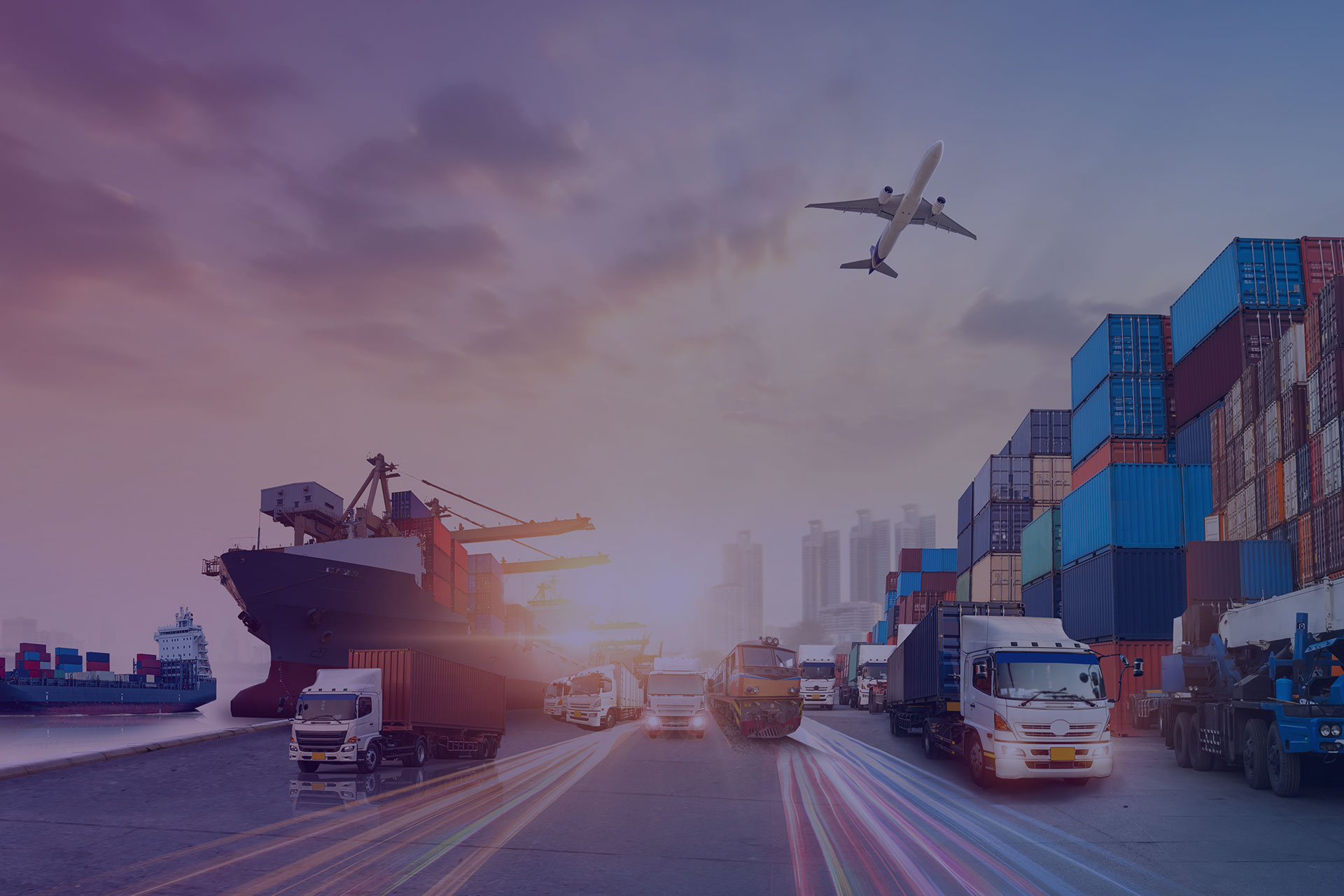
Logistics Tomorrow : Move Nation
Friday, 24th April 20261000 – 1615 HrsThe Grand New Delhi Hotel
Logistics is no longer limited to the movement of goods—it is the engine that enables national competitiveness, trade growth, industrial expansion, and citizen-centric delivery. As India strengthens its role in global value chains and scales domestic manufacturing, exports, and e-commerce, the logistics ecosystem must evolve to move the nation with greater speed, reliability, sustainability, and resilience. India’s logistics transformation is being accelerated by major national frameworks and reforms such as the National Logistics Policy (NLP) and PM GatiShakti National Master Plan, aimed at integrated planning, improved coordination across ministries, and more efficient multimodal connectivity. The NLP’s stated direction includes improving India’s logistics performance and building a data-driven decision support mechanism, with the ambition of raising India’s global logistics standing significantly by 2030. Recent Government-backed digital enablers are also reshaping how logistics is planned and monitored. Platforms such as the Unified Logistics Interface Platform (ULIP) and the Ease of Logistics Services (e-Logs / ELoGs) are designed to improve transparency, simplify processes, and strengthen issue resolution for industry stakeholders. ULIP has expanded system integrations and APIs across multiple ministries to enable end-to-end visibility and interoperability. In parallel, the evolution of cargo visibility and tracking is being strengthened through initiatives like the Logistics Data Bank (LDB) and upgrades such as LDB 2.0 for enhanced real- time tracking and monitoring. A crucial shift underway is the move from perception-based metrics to more evidence-based measurement of logistics costs. A DPIIT-supported study for FY 2023–24 has estimated India’s logistics cost at 7.97% of GDP, helping sharpen the policy and industry roadmap for competitiveness improvements. India 2026–27 sector outlook India’s logistics market is projected by industry estimates to continue expanding strongly, with one widely cited projection indicating it could reach~US$591 billion by FY27. The CEP (courier/express/parcel) segment is projected to be among the fastest-growing, supported by e-commerce and D2C expansion (high growth expected through 2026–2031 in sector forecasts). Warehousing and distribution are expected to expand rapidly—one estimate projects the warehousing market to reach ~US$35 billion by 2027, supported by government-led infrastructure push and policy alignment. Against this backdrop, Logistics Summit 2026 – “Logistics Tomorrow – Move Nation” will convene policymakers, industry leaders, infrastructure developers, and innovators to shape actionable pathways for next-generation logistics—focused on connectivity, sustainability, resilience, ease of doing business, and new operating models.
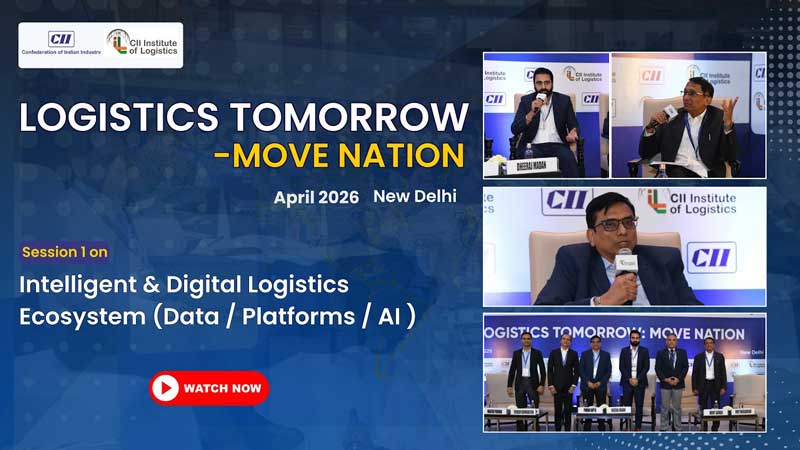
SESSION 1
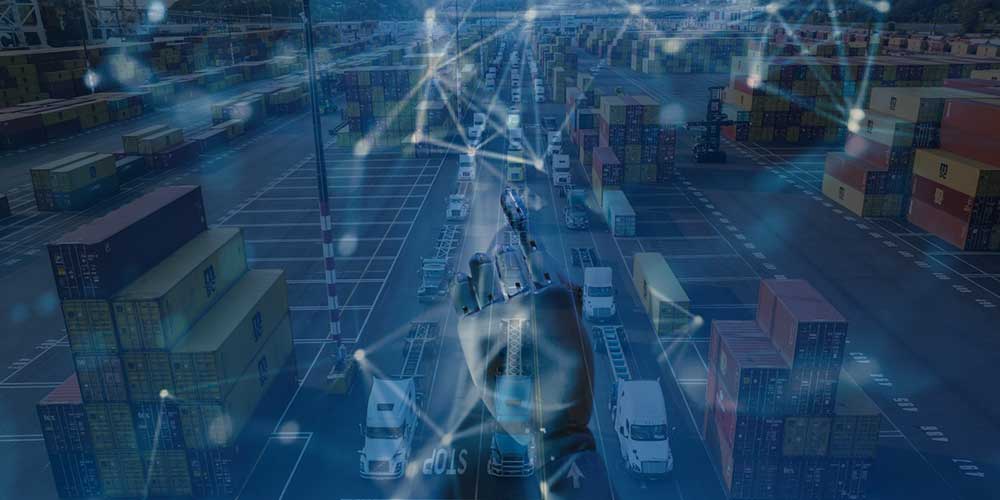
INTELLIGENT AND DIGITAL LOGISTICS ECOSYSTEMS (DATA / PLATFORMS / AI)
Digital public infrastructure and advanced analytics are enabling a shift from reactive logistics to predictive, real-time decision-making. This session will focus on how technology and integrated platforms are transforming planning, visibility, compliance, and service delivery—aligned with national digital initiatives.
- Strengthening national digital logistics infrastructure through ULIP integrations and API-based interoperability
- Practical adoption of AI and data-led decision systems in demand forecasting, route/network optimization, and disruption response
- Leveraging e-Logs / ELoGs for faster issue identification and resolution to improve ease of doing business
- Control towers, real-time visibility, and end-to-end traceability across multimodal journeys
- Data governance, cybersecurity, and operating standards for trusted logistics digitization
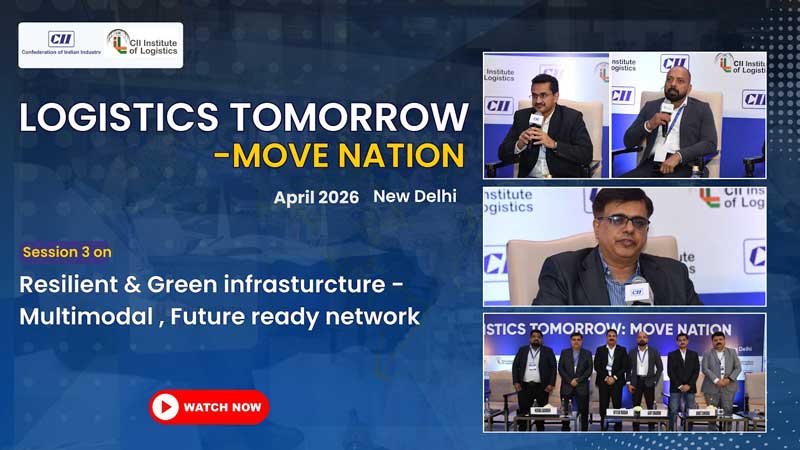
SESSION 2
RESILIENT AND GREEN INFRASTRUCTURE – MULTIMODAL, FUTURE-READY NETWORKS
India’s logistics competitiveness depends on infrastructure that is not only expanded, but also smarter, greener, and resilient to climate and supply disruptions. This session will focus on the infrastructure blueprint needed to “Move Nation” reliably and sustainably
- Aligning multimodal infrastructure planning with PM GatiShakti and corridor- based development
- Scaling logistics parks, integrated terminals, and modern warehousing to support manufacturing and exports
- Green logistics adoption: EV enablement, alternative fuels, renewable- powered warehousing, and efficiency-led decarbonization
- Supply chain resilience and risk management frameworks for climate, geopolitical, and demand shocks
- Improving cargo visibility and performance measurement through initiatives like LDB / LDB 2.0
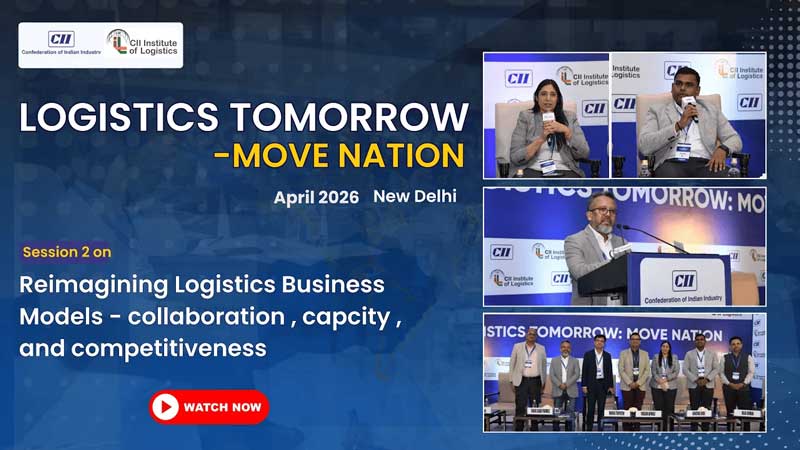
SESSION 3
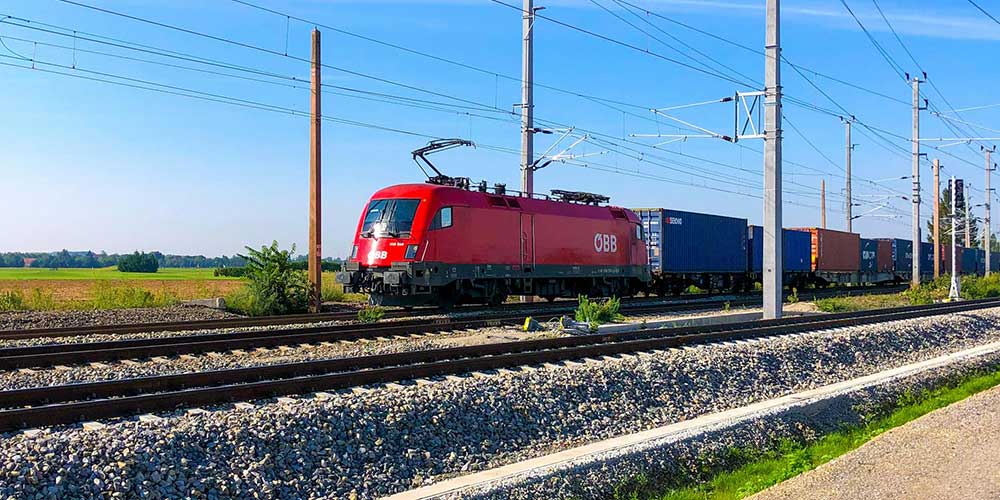
REIMAGINING LOGISTICS BUSINESS MODELS – COLLABORATION, CAPACITY, AND COMPETITIVENESS
As customer expectations rise and supply chains become more complex, logistics providers must evolve from fragmented, transactional services toward integrated, partnership-based solutions. This session will focus on business model transformation through collaboration, multimodal integration, new service offerings, and sustainability-led differentiation—without technology-centric framing.
- Moving from point-services to integrated solutions: end-to-end logistics, warehousing, cold chain, and value-added services
- Collaborative logistics models: shared networks, aggregation, and multi-client operations to improve utilization and reduce costs
- Strengthening export competitiveness: logistics-linked warehousing, port connectivity, and trade facilitation support
- Urban freight and last-mile efficiency models: hubs, micro-fulfilment, consolidation, and congestion reduction
- Green differentiation in commercial models: sustainable warehousing and low- emission transport as customer value drivers.
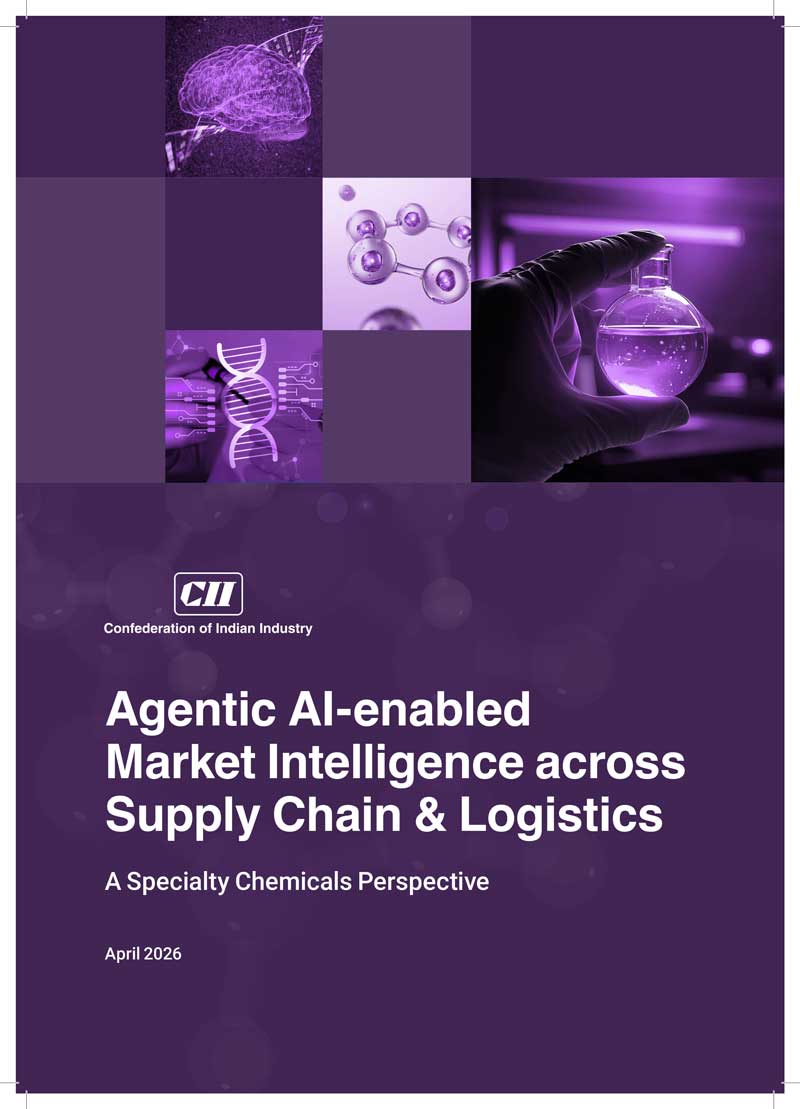
Report on
Agentic AI-enabled Market Intelligence across Supply Chain & Logistics
Specialty chemicals companies compete on performance, reliability, and trust.Their products sit inside customer formulations, processes, and devices. This creates durable relationships and switching costs, but it also raises the cost of errors. A misinterpreted regulation can trigger customer escalations. A delayed response to a substance restriction can strand inventory. A missed feedstock shock can compress margins with consequences across an entire contract cycle. In this context, market intelligence in specialty chemicals extends far beyond conventional market monitoring. It is the discipline of detecting, interpreting and acting on external signals such as regulatory developments, supply chain disruptions, competitor moves, and demand shifts, then translating them into implications of chemical feasibility, quality and qualification constraints, and operational risk. Teams must interpret signals through questions such as: Can the product be manufactured within specified impurity limits? Does a regulatory restriction apply to the substance class or only to a specific use? Which supply corridors become vulnerable when production is concentrated in a single region
Download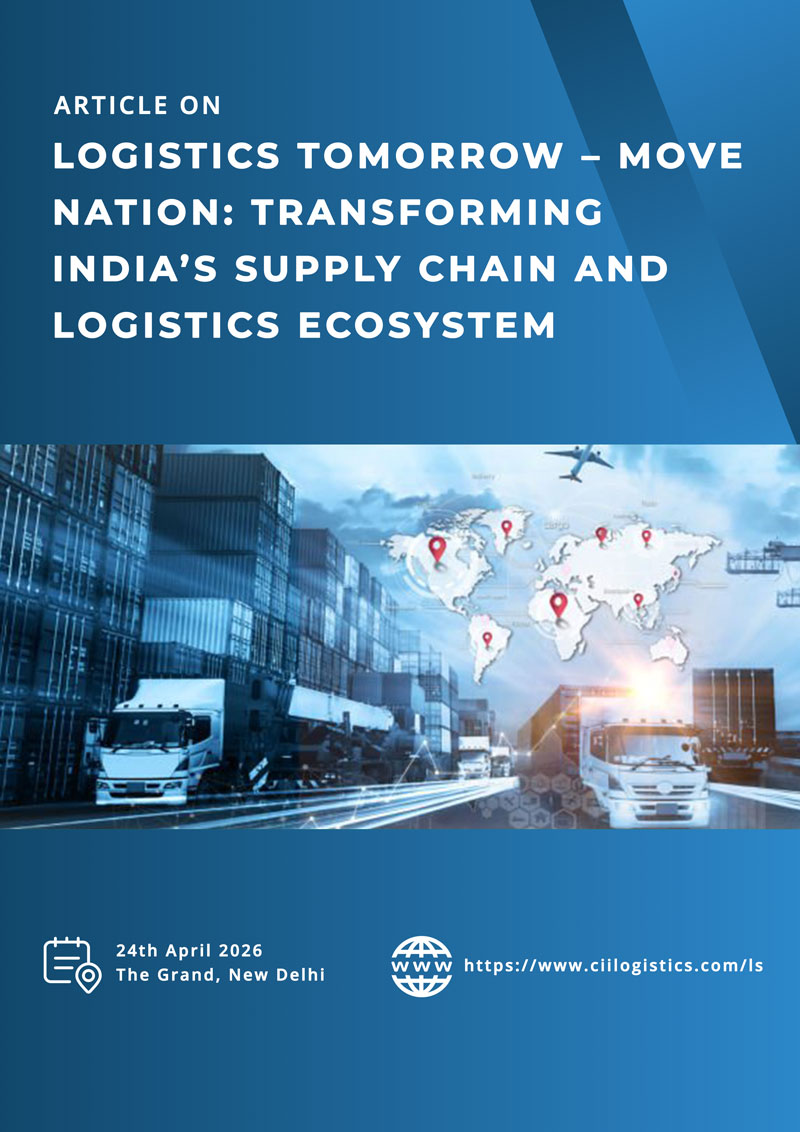
Article on
LOGISTICS TOMORROW – MOVE NATION: TRANSFORMING INDIA’S SUPPLY CHAIN AND LOGISTICS ECOSYSTEM
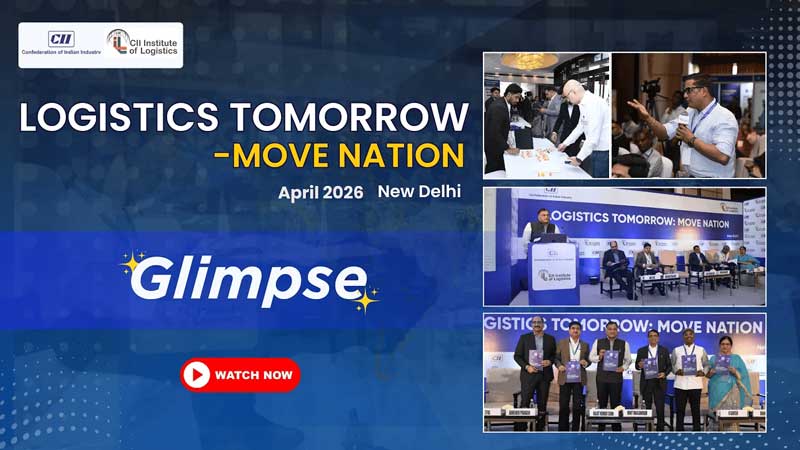
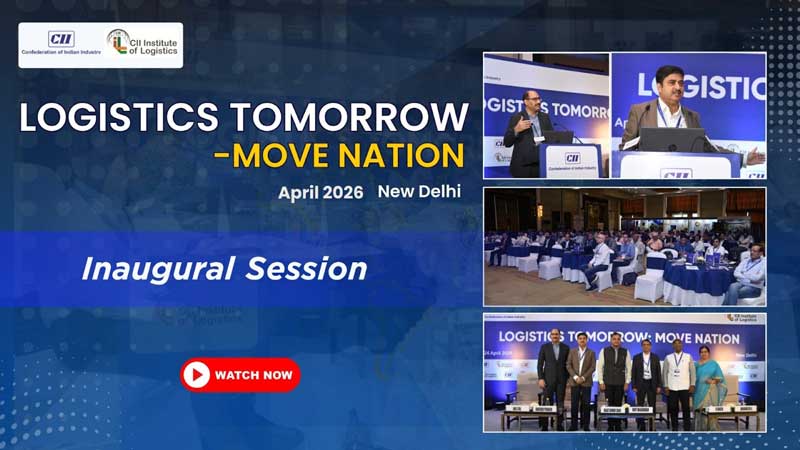
The conference focused on key themes including Intelligent and Digital Ecosystems, Resilient and Green Infrastructure – Multimodal, Future-Ready Networks, and Reimagining Logistics Business Models – Collaboration, Capacity, and Competitiveness to address India’s evolving logistics needs. The sessions covered practical approaches to integrating policy with execution, enhancing infrastructure efficiency, and leveraging collaborative models to improve cost, service, and sustainability outcomes. Discussions also emphasized bridging gaps between planning and on-ground implementation, while aligning industry practices with emerging supply chain trends. The conference witnessed strong participation, with over 200 national leaders and 25+ speakers representing diverse industries. Each session featured a context-setting presentation by panellists, enabling focused and outcome-driven discussions. During the inaugural session, a report titled “Agentic AI Enabled Market Intelligence across Supply Chain & Logistics” was also released.
Download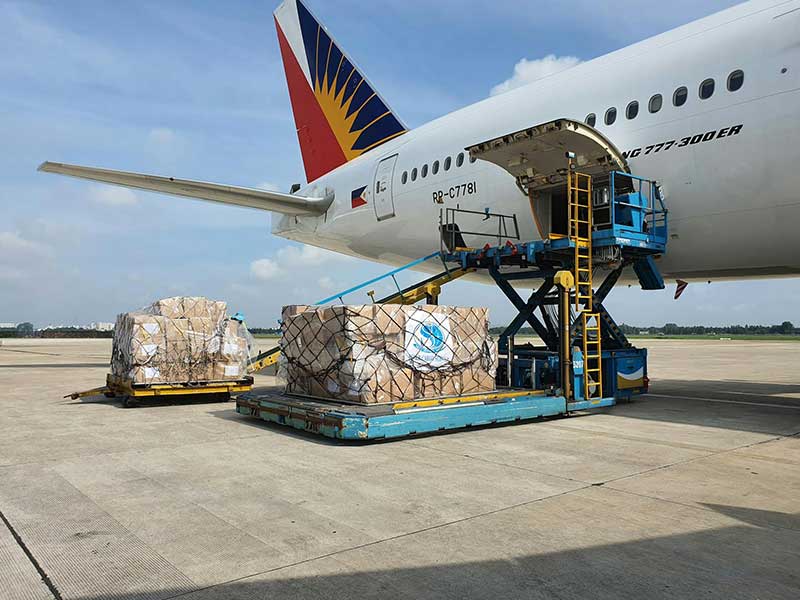
Downloads
To download agenda CLICK HERE
Sponsors
Logistics Infra Supporter

Gold Supporter

Gold Supporter

Gold Supporter

Gold Supporter
Premium Supporter

Logistics Supporter

Silver Supporter
Speakers
INAUGURAL SESSION
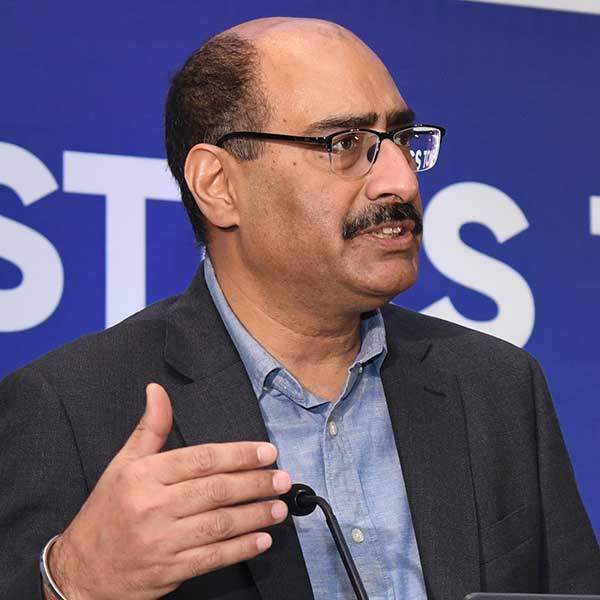
Mr Anil Syal
PresidentSafexpress
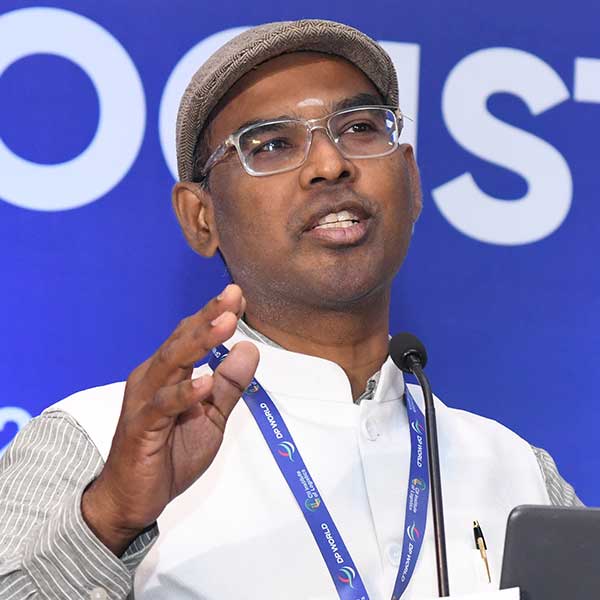
Dr K Ganesh
Member CII National Committee on Logistics & PartnerMcKinsey & Company
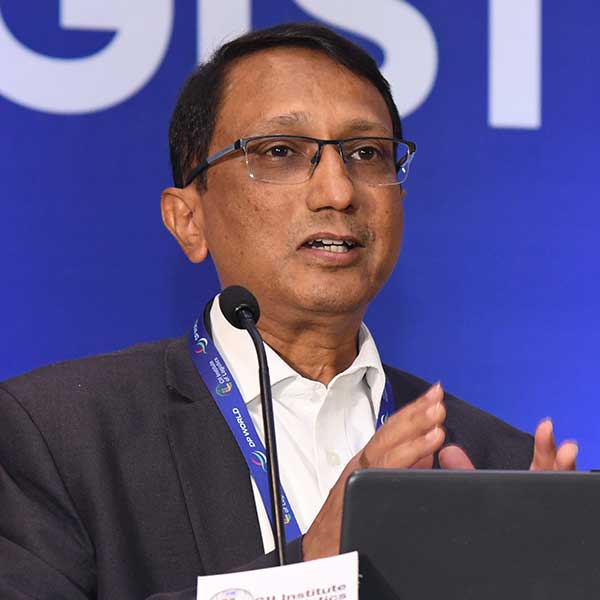
Mr Vinit Majgaonkar
Chairman – CII IL -Solution De Technology Automation and Robotics-STAR -ForumChairman & Managing DirectorArmstrong Dematic
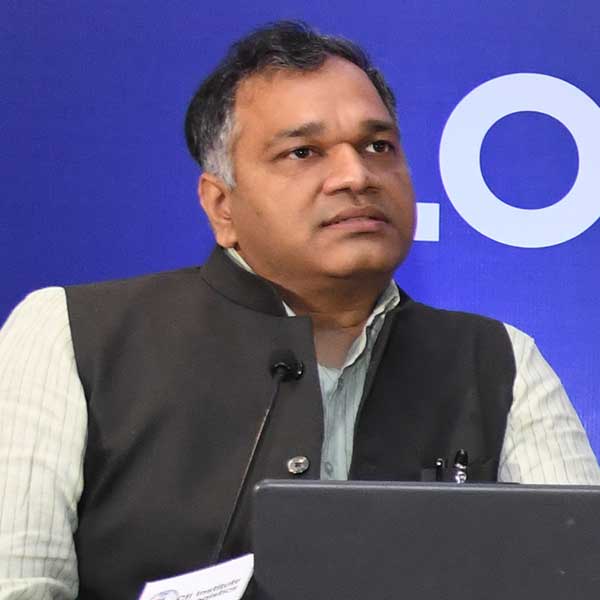
Mr Rajat Kumar Saini
Chief Executive Officer & Managing Director National Industrial Corridor Development Corporation Ltd – NICDC & ChairmanNICDC Logistics Data Services (NLDS)
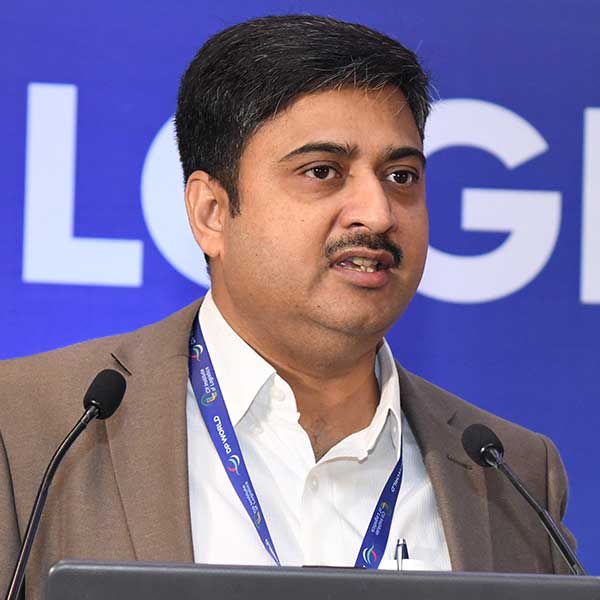
Mr Abhishek Prakash
Chief Executive OfficerBeumer India
SESSION I: INTELLIGENT AND DIGITAL ECOSYSTEMS (DATA / PLATFORMS / AI)
Mr Vinit Majgaonkar
Chairman – CII IL -Solution De Technology Automation and Robotics-STAR -ForumChairman & Managing DirectorArmstrong Dematic
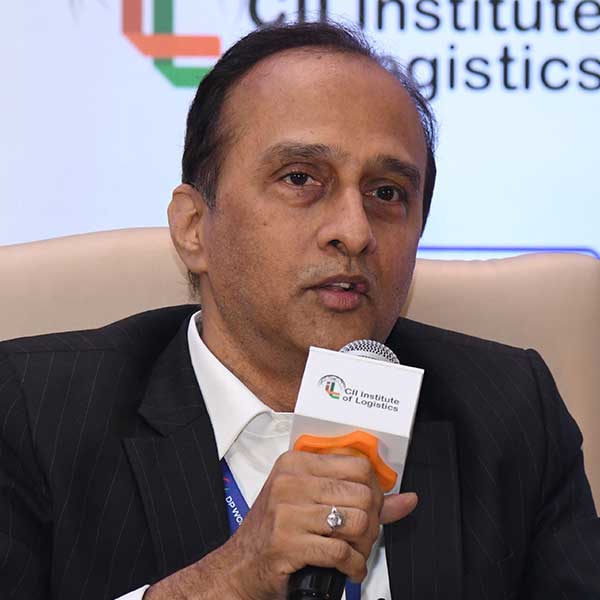
Mr Sriram Ramnarayan
From Visibility to Chief Business OfficerAutonomous Decisioning. Freight Tiger
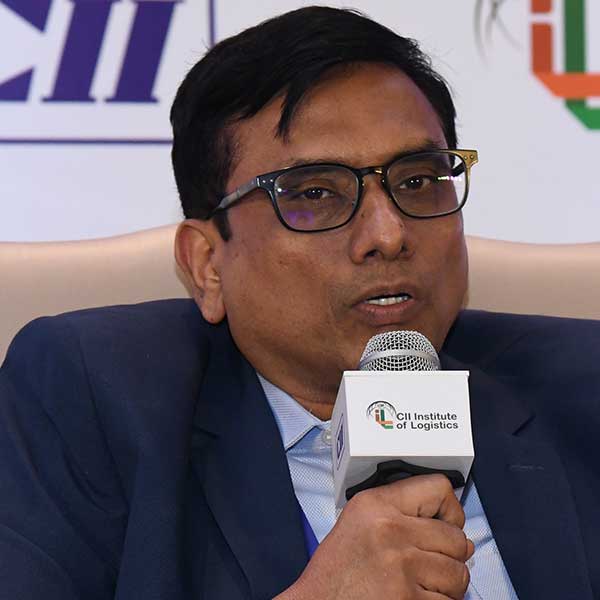
Mr Pawan Gupta
Chief Purchasing OfficerAshok Leyland
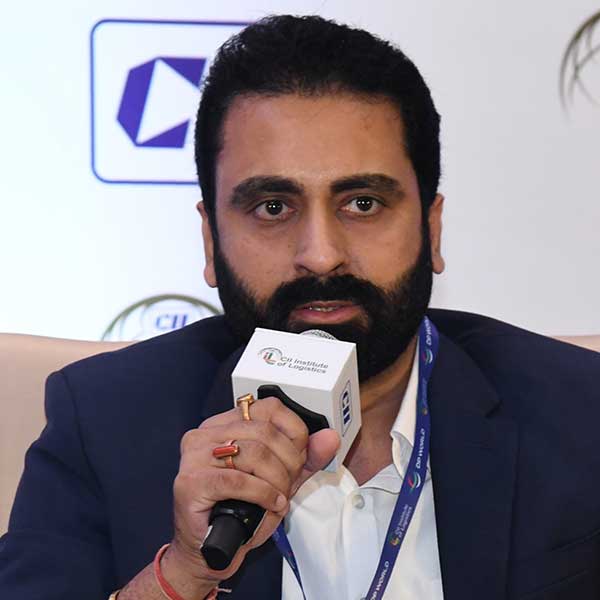
Mr Dheeraj Madan
Head - Supply Chain ManagementSnapdeal
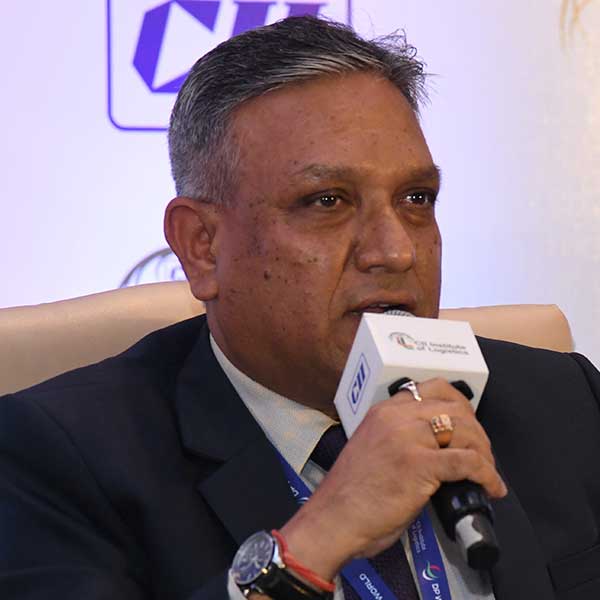
Mr Mohit Jauhari
Head- Supply Chain ManagementShriram Pistons & Rings Ltd.
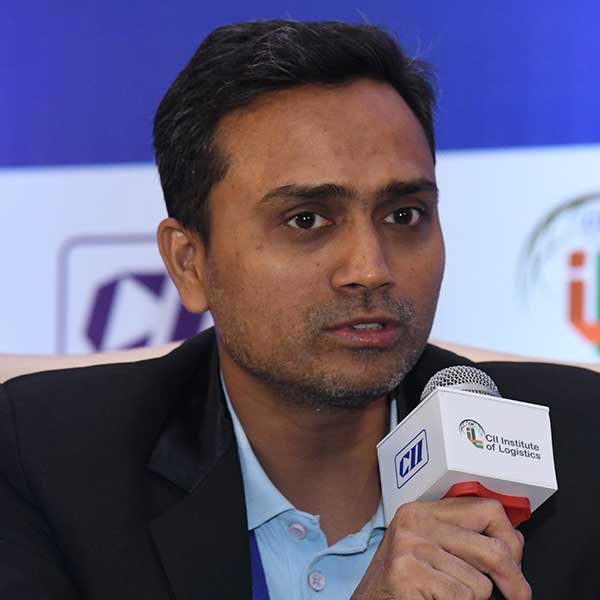
Mr Manish Parmar
Vice President-Supply Chain, Process Excellence & ESG SustainabilityCountry Delight
SESSION II: RESILIENT AND GREEN INFRASTRUCTURE -MULTIMODAL, FUTURE READY NETWORKS
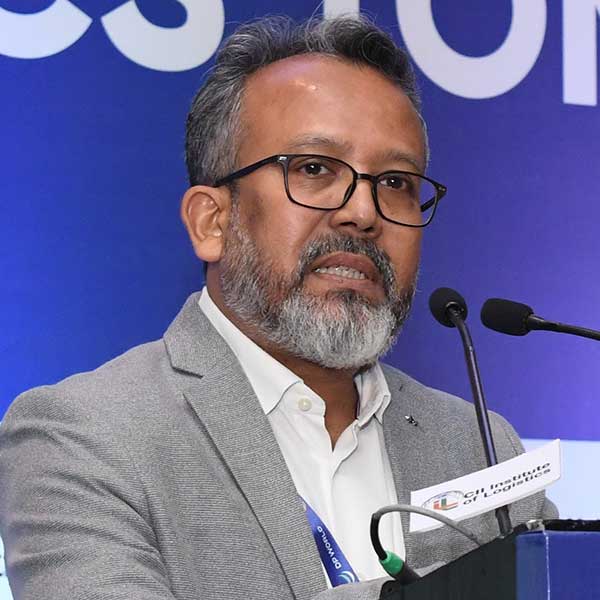
Mr Shaik Asad Parwez
Head – Logistics & WarehousingV-Guard Industries Limited
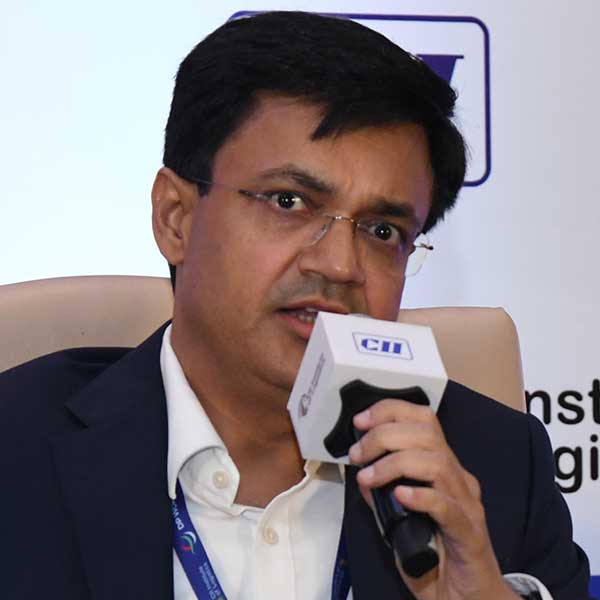
Mr Manoj Tripathi
Chief Executive OfficerTCI Supply Chain Solutions
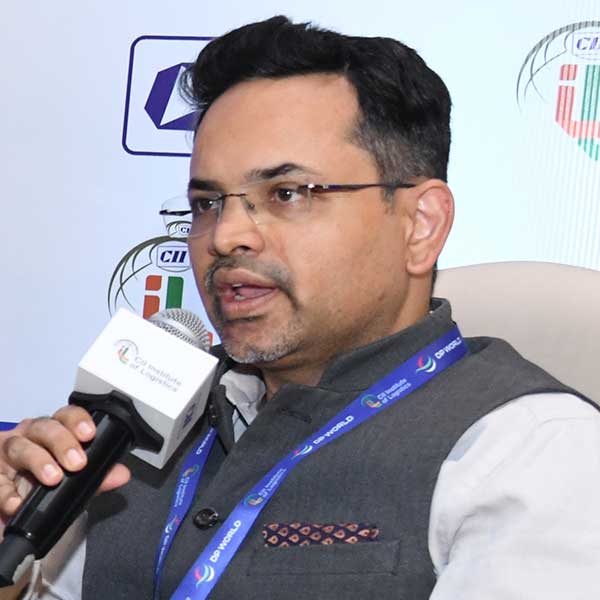
Mr Anubhav Kumar
Head -Strategy & Govt. PolicyBoeing India & Southeast Asia
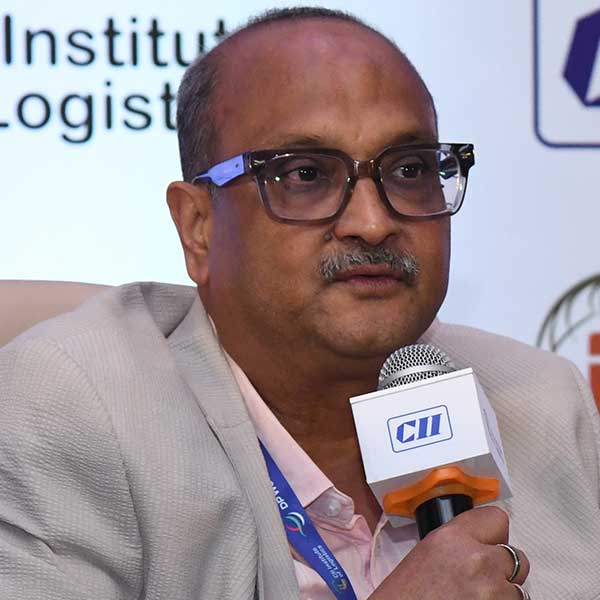
Mr Pankaj Kumar Patodi
Head-Supply ChainGodfrey Phillips India Limited
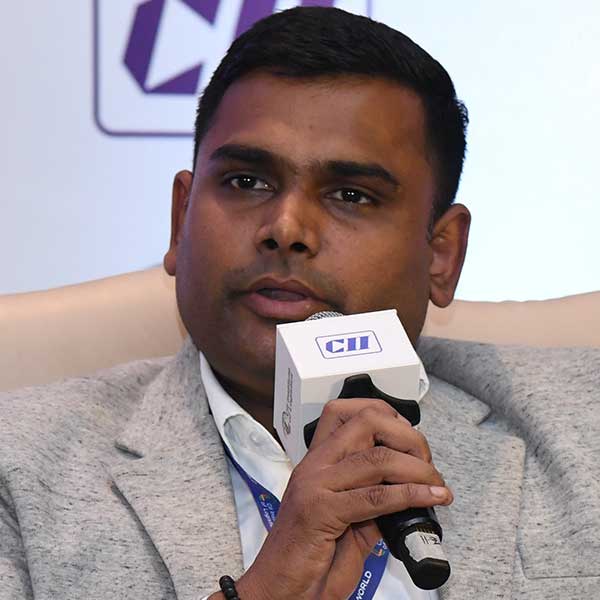
Mr Raja Kumar
Head – Logistics (Aftermarket)Endurance Technologies
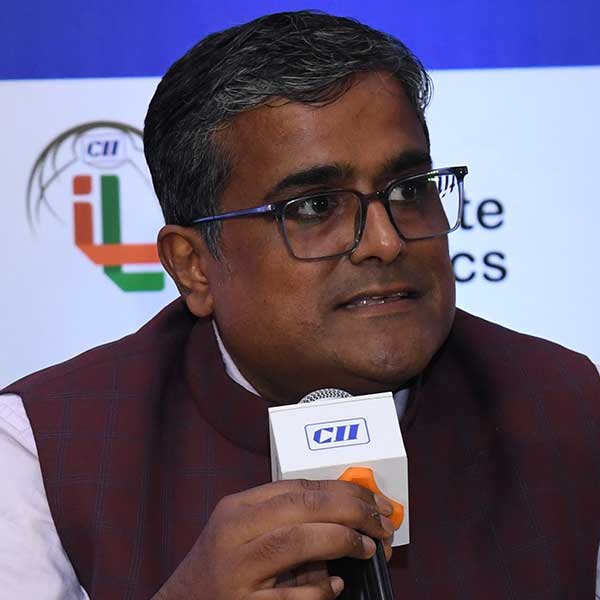
Mr Adhendru Jain
Chief Executive OfficerRail & Inland Terminals – SCODP World
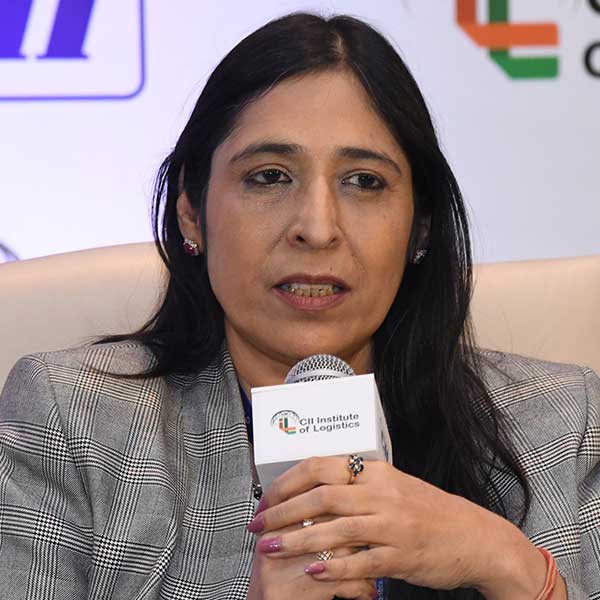
Ms Aanchal Kaul
Head Leasing - North & East IndiaHorizon Industrial Parks
SESSION III: REIMAGINING LOGISTICS BUSINESS MODELS-COLLABORATION, CAPACITY, AND COMPETITIVENESS

Mr Gopi Krishnan
Senior Knowledge Expert-Supply ChainMckinsey and Company
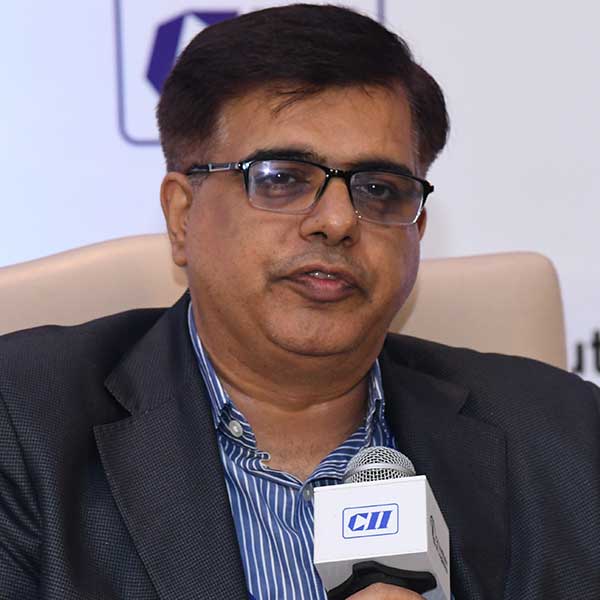
Mr Neeraj Sachdev
President and Chief Procurement officer CPOUno Minda Group
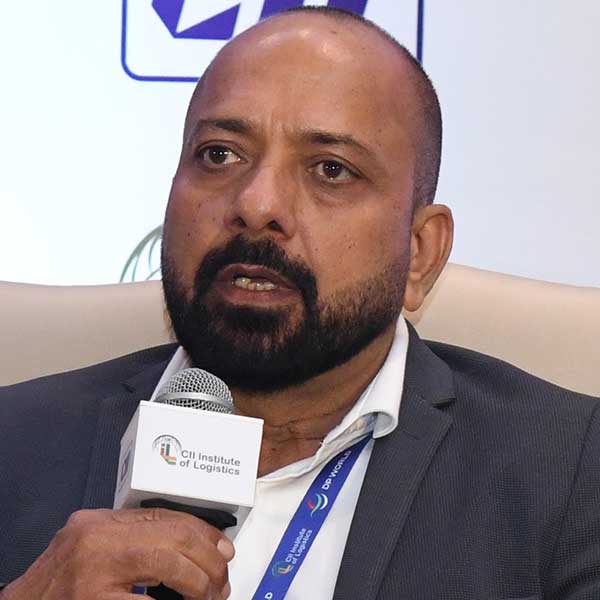
Mr Ajay Sharma
President Supply Chain ManagementUsha International
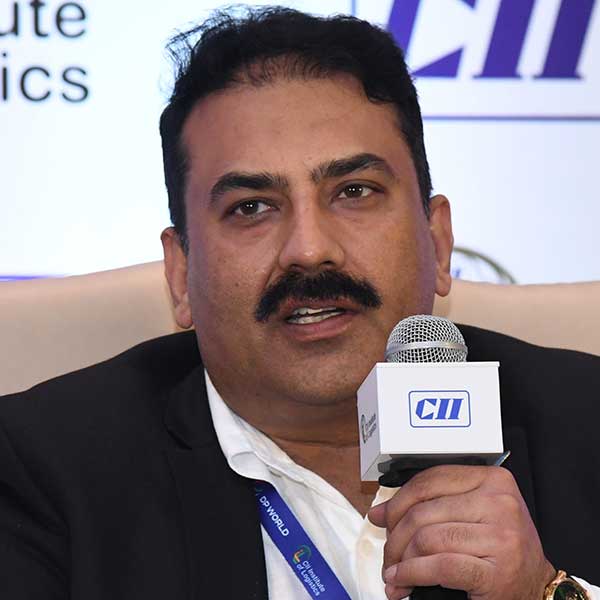
Mr Hitesh Madan
Associate Vice President & Head -Supply Chain ManagementDaikin Airconditioning India Pvt. Ltd.
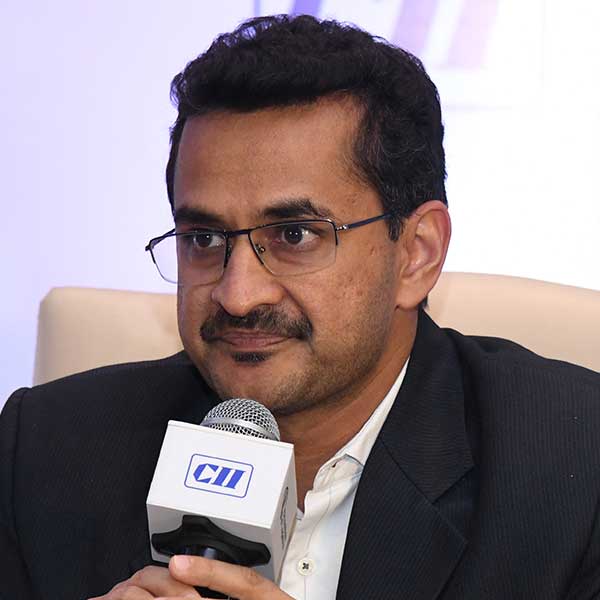
Mr Ankit Singhai
Head Procurement - Services & Indirect MaterialsNestle India
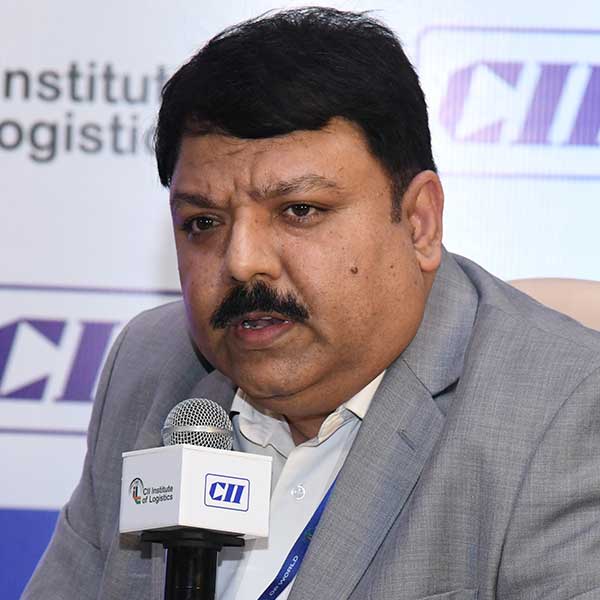
Mr Anirban Sanyal
Head -Supply Chain & National LogisticsCentury Ply
Conference Videos
Contact
Register
+91-72003 79132 +91-98791 60202 sreeramkumar.j@cii.in conference.cii@cii.in
Sponsor Enquiry
+91-72003 79132 +91-98791 60202 sreeramkumar.j@cii.in conference.cii@cii.in
Scan to Register